The Unseen Canvas: How Smooth Plaster Defines Minimalist Serenity
Beyond stark white walls, smooth plaster and render offer a nuanced approach to minimalist interiors. This article explores how these materials create serene, functional spaces by emphasizing light, form, and subtle tactility.

In the realm of minimalist design, where the mantra of “less is more” reigns supreme, the choice of materials is paramount. It's not merely about stripping away ornamentation, but about selecting elements that inherently embody simplicity, functionality, and a profound respect for space. Among these, smooth plaster and render stand out as foundational materials, offering an unseen canvas that defines minimalist serenity.
The Essence of Unadorned Simplicity
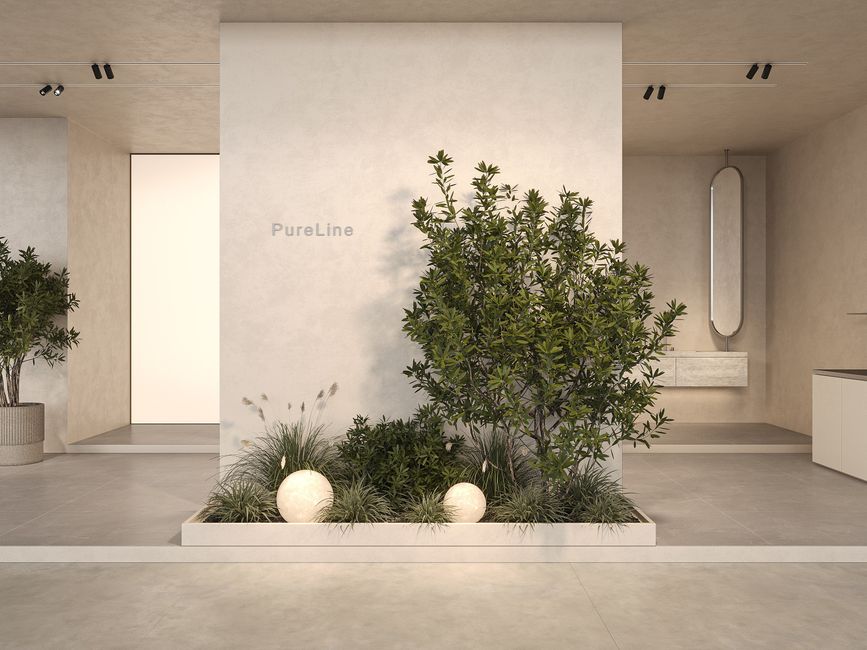
Minimalist architecture and interiors are characterized by clean lines, straightforward forms, and an absence of excessive decoration. Smooth plaster, whether traditional lime plaster, gypsum, or modern cementitious renders, perfectly aligns with this ethos. Its application creates monolithic, seamless surfaces that allow the architectural form to speak for itself. This reductive approach, where design elements are condensed to their essential qualities, avoids visual clutter and fosters a sense of order and calm. Instead of competing for attention, the walls become a quiet backdrop, emphasizing the intentionality of every object and spatial arrangement within the room.
A Canvas for Light and Shadow
One of the most powerful elements in minimalist design is natural light, which enhances spatial quality and adds warmth to otherwise simple forms. Smooth plaster surfaces, particularly in neutral palettes of white, gray, or earthy tones, act as an exquisite canvas for light and shadow. The subtle undulations and matte finish of plaster absorb and reflect light in a way that paint cannot replicate, creating a dynamic interplay that changes throughout the day. This interaction between light, material, and space is a hallmark of minimalist masters like Tadao Ando and John Pawson, where the material's ability to reveal the movement of natural light becomes a key design feature, contributing to the serene and quiet nature of the space.
Tactility and Understated Warmth
While some perceive minimalist spaces as uninviting or cold, a well-executed minimalist interior can be profoundly warm and welcoming. This warmth often comes from the careful selection of materials that introduce subtle tactility. Smooth plaster, especially when hand-applied, possesses a quiet, organic texture that invites touch without being overtly decorative. Unlike the starkness of a perfectly smooth painted drywall, plaster offers a soft, almost breathable quality. When combined with other natural materials like light-toned wood or natural fibers, it contributes to a comfortable and highly functional environment that feels grounded and authentic. This aligns with the 'truth to materials' principle, where the inherent characteristics of the material are valued and expressed.
Practical Considerations and Application
Implementing smooth plaster in a minimalist design requires skilled craftsmanship. The seamless finish, which is crucial for the minimalist aesthetic, depends heavily on expert application. Different types of plaster offer varying properties:
- Lime Plaster: Breathable, durable, and naturally antimicrobial, offering a soft, matte finish. Ideal for creating healthy indoor environments.
- Gypsum Plaster: Common for interior walls and ceilings, offering a smooth, hard surface. More uniform but less breathable than lime.
- Cementitious Renders: Highly durable, often used in wet areas or for a more industrial, monolithic look.
Regardless of type, achieving a truly smooth, unblemished surface requires meticulous preparation and multiple coats. This labor-intensive process can contribute significantly to project costs, making it an investment in the overall quality and longevity of the space.
Trade-offs and Design Nuances
While the aesthetic benefits are clear, there are trade-offs. The very seamlessness that defines plaster's minimalist appeal can make repairs challenging; patching can be difficult to blend perfectly, potentially disrupting the monolithic surface. Furthermore, while durable, plaster can be susceptible to chipping or cracking from impact, especially at corners. Designers must consider these vulnerabilities and plan for appropriate protection in high-traffic areas.
To prevent a minimalist plaster-dominated space from feeling too stark, thoughtful design nuances are essential. Integrating a few high-quality, well-designed pieces of furniture or art can provide focal points without cluttering the space. The strategic use of natural light, as discussed, is also critical. Ultimately, the goal is to create spaces that are purposeful, calming, and beautiful, where the material itself contributes to the overall sense of serenity rather than just serving as a background.
Conclusion
Smooth plaster and render are more than just wall finishes in minimalist design; they are integral to its philosophy. By providing a clean, unadorned surface, they allow light to sculpt space, emphasize architectural form, and introduce a subtle tactility that counters any perception of coldness. While demanding careful application and consideration of their practical limitations, these materials enable the creation of truly serene, functional, and aesthetically pure environments that embody the enduring principle of 'less is more' in the most profound way.
Further reading
Related articles
Microcement: The Seamless Canvas for Modern Home Renovations
In the dynamic landscape of home renovations, microcement stands out as a material offering unparalleled design flexibility and a sleek, modern aesthetic. This deep dive explores its properties, diverse applications, and crucial trade-offs, positioning it as a key consideration for designers aiming for cohesive, high-impact transformations.

The Enduring Appeal of Thermal Bluestone in Luxury Outdoor Design
Discover why thermal bluestone is the material of choice for high-end outdoor environments. This deep dive explores its unique properties, diverse applications, and the trade-offs that make it a cornerstone of luxury landscape design.