Microcement: The Seamless Canvas for Modern Home Renovations
In the dynamic landscape of home renovations, microcement stands out as a material offering unparalleled design flexibility and a sleek, modern aesthetic. This deep dive explores its properties, diverse applications, and crucial trade-offs, positioning it as a key consideration for designers aiming for cohesive, high-impact transformations.
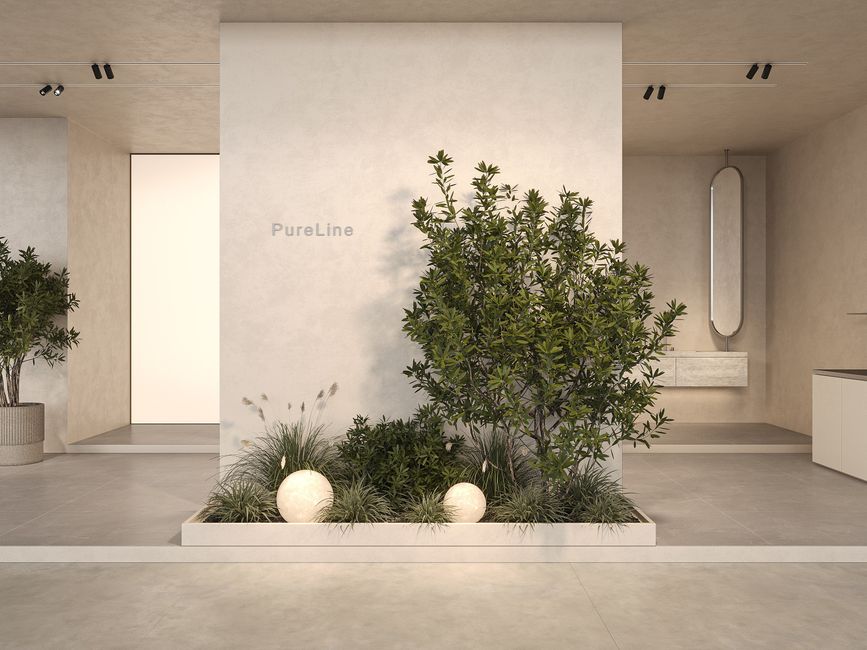
The Seamless Revolution in Renovation
Home renovations are fundamentally about transformation—breathing new life into existing structures, optimizing functionality, and, increasingly, unifying disparate spaces into a cohesive whole. In this pursuit, the choice of materials plays a pivotal role, dictating not just the aesthetic outcome but also the practicalities of the renovation process. Amidst a plethora of options, microcement has emerged as a material of significant interest for designers and homeowners alike, offering a distinctive blend of versatility, durability, and a sleek, contemporary finish that can redefine an entire interior.
Unlike traditional finishes that often involve seams, grout lines, or visible joints, microcement excels at creating continuous, monolithic surfaces. This characteristic is particularly valuable in modern design, where open layouts and visual flow are paramount. From whole-home renovations to targeted kitchen and bathroom remodels, microcement provides a sophisticated alternative to conventional flooring, wall coverings, and even countertop materials, enabling a level of spatial integration previously difficult to achieve.
Unpacking Microcement: Properties and Potential
At its core, microcement is a polymer-modified cementitious coating, typically applied in thin layers, usually 2-3 millimeters thick. This composition, combining cement, fine aggregates, water-based resins, and mineral pigments, grants it exceptional adhesion to almost any stable substrate. This adhesive quality is a significant advantage in renovation projects, as it often allows for application directly over existing surfaces like tiles, concrete, plasterboard, or even wood, significantly reducing the need for extensive demolition and preparation work. This can translate to less mess, shorter project timelines, and potentially lower labor costs associated with tear-out.
Beyond its thin profile and adherence, microcement boasts impressive durability. Once cured and properly sealed, it offers high compressive strength and abrasion resistance, making it suitable for high-traffic areas. Its inherent flexibility, derived from the polymer content, also helps it resist cracking better than traditional concrete. Aesthetically, microcement is incredibly versatile. It can be tinted to a vast array of colors, from muted grays and earthy tones to vibrant hues, and finished with various textures—from ultra-smooth and polished to subtly textured, matte, satin, or gloss. This customization allows designers to precisely tailor the material to the desired mood and style of a space.
Transformative Applications in the Modern Home
The application possibilities for microcement in home renovations are extensive, making it a true multi-surface solution. As a flooring material, it creates expansive, seamless surfaces that visually enlarge rooms and are remarkably easy to clean, aligning perfectly with the demands of open-plan living areas. On walls, it provides a sophisticated, monolithic backdrop that can highlight artwork or furniture, or simply serve as a calming, textured canvas.
Perhaps its most impactful use is in wet areas like bathrooms, showers, and kitchen backsplashes. Its water-resistant properties (when properly sealed) and the absence of grout lines not only enhance hygiene but also create a spa-like, uninterrupted visual flow. This seamless quality is a game-changer for modern bathroom renovations, offering a sleek alternative to traditional tiling. Microcement can also be applied to custom-built countertops, sinks, and even bespoke furniture pieces, ensuring a cohesive design language throughout the home.
The Renovation Equation: Trade-offs and Considerations
While microcement offers compelling advantages, designers must also weigh its trade-offs. One of the primary considerations is cost. Generally, microcement installations tend to be more expensive than standard tile or paint finishes. This higher cost is not just due to the specialized material itself but, crucially, the highly skilled labor required for its application. As one renovation guide notes, skilled labor is essential for quality work, and microcement is certainly not a DIY material. Achieving a flawless, durable finish demands experienced applicators who understand the nuances of layering, curing, and sealing.
Another aspect to consider is durability. While strong, microcement is not indestructible. It can scratch or chip under extreme impact, and proper sealing is absolutely critical for its longevity and resistance to stains and moisture. Regular maintenance, including appropriate cleaning products, is necessary to preserve its appearance. Finally, its distinctive, often industrial-chic aesthetic, while highly sought after, might not align with every homeowner's preference or every architectural style. It requires thoughtful integration with other materials—such as natural wood, warm textiles, and strategic lighting—to prevent a space from feeling too cold or austere.
Designing with Microcement: Crafting Cohesion and Character
For designers, microcement is more than just a surface material; it's a tool for spatial storytelling. Its ability to create visual continuity allows for the blurring of boundaries between different zones in an open-plan home, fostering a sense of expansive calm. The subtle variations in its finish, inherent to its hand-applied nature, add a unique, artisanal character that prevents it from feeling sterile. By carefully selecting color and texture, designers can achieve a range of effects, from a raw, minimalist concrete look to a softer, more refined plaster-like finish.
In luxury home renovations, microcement provides a foundation for sophisticated layering, allowing other design elements to shine. It offers a neutral yet textured canvas that can be warmed by rich timbers, softened by plush fabrics, and illuminated by carefully chosen lighting, creating spaces that are both contemporary and inviting.
Conclusion: A Material for Visionary Renovations
Microcement stands as a testament to how material innovation can profoundly impact home renovation outcomes. Its unique properties—seamlessness, durability, and adaptability—address many of the challenges and aspirations of modern design. While demanding a higher investment in both material and specialized craftsmanship, its capacity to unify spaces, minimize demolition, and deliver a bespoke, high-impact aesthetic makes it an invaluable asset for designers committed to crafting truly visionary and enduring homes.
Further reading
Related articles

The Enduring Appeal of Thermal Bluestone in Luxury Outdoor Design
Discover why thermal bluestone is the material of choice for high-end outdoor environments. This deep dive explores its unique properties, diverse applications, and the trade-offs that make it a cornerstone of luxury landscape design.

The Veined Canvas: Marble's Enduring Role in Modern Australian Interiors
Explore how marble, with its natural veining and tactile presence, has become a defining material in modern Australian interiors. This deep dive examines its aesthetic contributions, versatile applications, and practical considerations within a design ethos that values natural materiality and seamless indoor-outdoor flow.