The Soft Touch of Nature: Weaving Natural Fibers into Biophilic Interiors
Explore how natural fibers like linen, wool, and jute are more than just decorative elements; they are fundamental to creating biophilic spaces that promote wellness, reduce stress, and foster a deeper connection to the natural world. This deep dive uncovers their properties, diverse applications, and important trade-offs.

Biophilic design is a powerful strategy that integrates nature into the built environment to enhance human well-being and support sustainability goals,. It's about creating spaces that deepen our innate connection to the natural world, recognizing that humans are genetically predisposed to be attracted to nature. While often associated with living walls, natural stone, and abundant daylight, the subtle yet profound impact of natural fibers and textiles in biophilic interiors is frequently underestimated.
These materials, from the rustic charm of jute to the refined elegance of linen, offer a tactile and visual bridge to nature, contributing significantly to healthier and more flourishing environments. They are not merely decorative; they are integral to crafting spaces that reduce stress, improve mood, and foster a sense of calm and connection,.
The Biophilic Connection of Natural Fibers
Natural fibers like cotton, linen, wool, hemp, and jute inherently carry the essence of their origin. Their irregular textures, subtle color variations, and organic patterns echo the imperfections and beauty found in natural landscapes. This visual and tactile connection is vital for biophilic design, as it taps into our evolutionary preference for natural forms and stimuli. The presence of these materials can evoke a sense of refuge and prospect, making occupants feel less stressed and more productive.
Beyond aesthetics, natural fibers engage multiple senses. The soft drape of linen curtains, the comforting warmth of a wool rug underfoot, or the earthy scent of jute can create a multi-sensory experience that grounds us. This sensory richness is a cornerstone of biophilic design, transforming ordinary spaces into sanctuaries that nurture health and well-being.
Properties and Benefits for Well-being
Integrating natural fibers offers a spectrum of benefits that align perfectly with biophilic principles:
Tactility and Texture
Natural textiles invite touch, adding a crucial tactile dimension to interiors. Unlike smooth, synthetic surfaces, the varied textures of natural fibers provide visual interest and a sense of depth, enriching the sensory experience of a space. This tactile engagement can contribute to a feeling of comfort and security, enhancing the overall psychological well-being of occupants.
Acoustic Comfort
Many natural fibers, particularly wool, possess excellent sound-absorbing properties. In an increasingly noisy world, creating acoustically comfortable environments is paramount for well-being. Using natural fiber rugs, upholstered furniture, and wall hangings can significantly reduce reverberation and ambient noise, fostering calmer, more focused spaces that support cognitive function and reduce stress.
Thermal Regulation and Breathability
Natural fibers are often breathable and can help regulate indoor temperatures. Linen and cotton, for example, are known for their cooling properties in warm climates, while wool provides insulation in cooler environments. This natural ability to adapt contributes to physical comfort, which is a fundamental aspect of creating a 'good habitat' for people.
Sustainability and Environmental Impact
From a sustainability perspective, many natural fibers are renewable, biodegradable, and require less energy to produce than their synthetic counterparts. Choosing organic cotton, undyed wool, or sustainably harvested jute can significantly lower a project's environmental footprint, aligning with the broader sustainability goals often intertwined with biophilic design.
Thoughtful Application in Design
Natural fibers can be seamlessly integrated into various design elements:
- Upholstery: Sofas, chairs, and cushions upholstered in linen, hemp, or wool provide comfort and a natural aesthetic.
- Drapery and Window Treatments: Sheer linen or cotton curtains diffuse natural light beautifully, connecting interiors with the outdoors while offering privacy.
- Rugs and Carpets: Wool, jute, or sisal rugs add warmth, define zones, and contribute to acoustic dampening.
- Wall Coverings: Textured grasscloth or woven wall hangings introduce organic patterns and tactile interest.
- Bedding and Linens: Organic cotton or linen bedding enhances comfort and promotes restful sleep, directly impacting well-being.
Trade-offs and Considerations
While the benefits are compelling, thoughtful selection and maintenance are key:
Durability and Maintenance
Some natural fibers may be less resistant to stains, fading, or heavy wear compared to high-performance synthetics. For high-traffic areas, selecting more durable natural options like tightly woven wool or treated linen is crucial. Regular cleaning and adherence to care instructions are often more critical than with synthetic alternatives.
Cost Implications
High-quality, sustainably sourced natural fibers can sometimes come with a higher upfront cost. However, their longevity, environmental benefits, and contribution to occupant well-being often justify the investment, offering long-term value that extends beyond initial expenditure.
Sourcing and Ethical Considerations
To truly embody biophilic and sustainable principles, the sourcing of natural fibers is paramount. Prioritizing organic certifications, fair trade practices, and low-impact dyeing processes ensures that the material's journey from farm to interior aligns with ethical and environmental responsibility. Without careful sourcing, the 'natural' label alone doesn't guarantee sustainability.
Potential Allergies
While generally well-tolerated, some individuals may have sensitivities to certain natural fibers, such as wool. Considering hypoallergenic alternatives or blends can be important in specific residential or healthcare settings.
Conclusion
Natural fibers and textiles are indispensable elements in the biophilic designer's toolkit. By thoughtfully incorporating these materials, we move beyond mere aesthetics to create spaces that genuinely nurture human health, reduce stress, and foster a profound, sensory connection to the natural world. Their unique properties and inherent beauty make them a soft yet powerful force in shaping interiors that are not only visually appealing but also deeply restorative and sustainable.
Further reading
Related articles
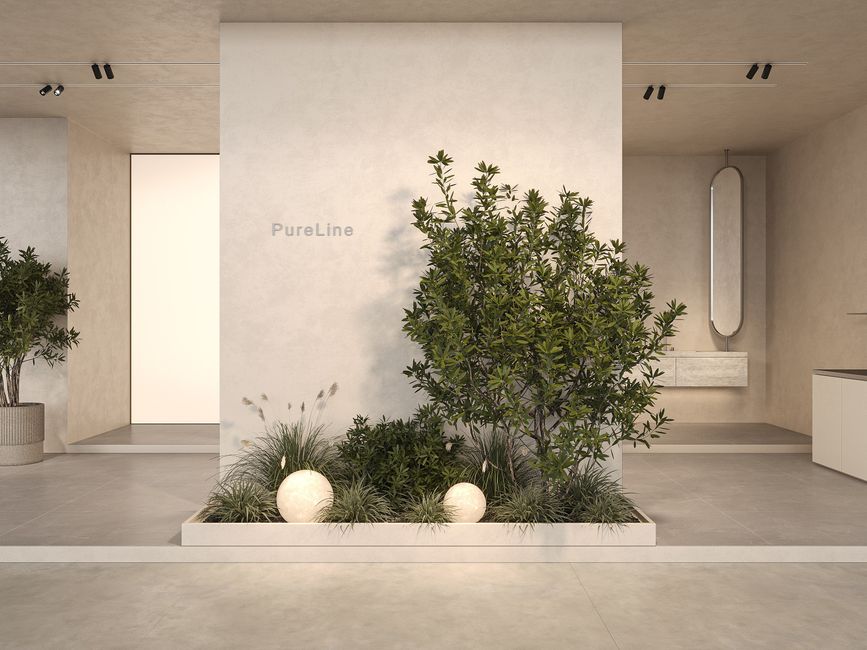
Microcement: The Seamless Canvas for Modern Home Renovations
In the dynamic landscape of home renovations, microcement stands out as a material offering unparalleled design flexibility and a sleek, modern aesthetic. This deep dive explores its properties, diverse applications, and crucial trade-offs, positioning it as a key consideration for designers aiming for cohesive, high-impact transformations.

The Enduring Appeal of Thermal Bluestone in Luxury Outdoor Design
Discover why thermal bluestone is the material of choice for high-end outdoor environments. This deep dive explores its unique properties, diverse applications, and the trade-offs that make it a cornerstone of luxury landscape design.