The Experiential Imperative: How Hospitality Design is Reshaping Commercial Spaces
Commercial interior design is undergoing a profound transformation, moving beyond purely functional spaces to create immersive, experience-driven environments. This article explores how hospitality-led principles are reshaping workplaces, retail, and public venues, fostering deeper engagement and stronger brand connections.

The traditional boundaries defining commercial spaces are dissolving. No longer are offices merely places for tasks, nor retail environments solely for transactions. Today, a powerful "experiential imperative" is driving commercial interior design, fundamentally reshaping how we interact with and perceive these spaces. The most significant influence in this evolution comes from hospitality design, which prioritizes comfort, engagement, and a compelling narrative. This shift transforms commercial venues into destinations that foster deeper connections and reflect brand identity with unprecedented sophistication.
The Workplace as a Destination
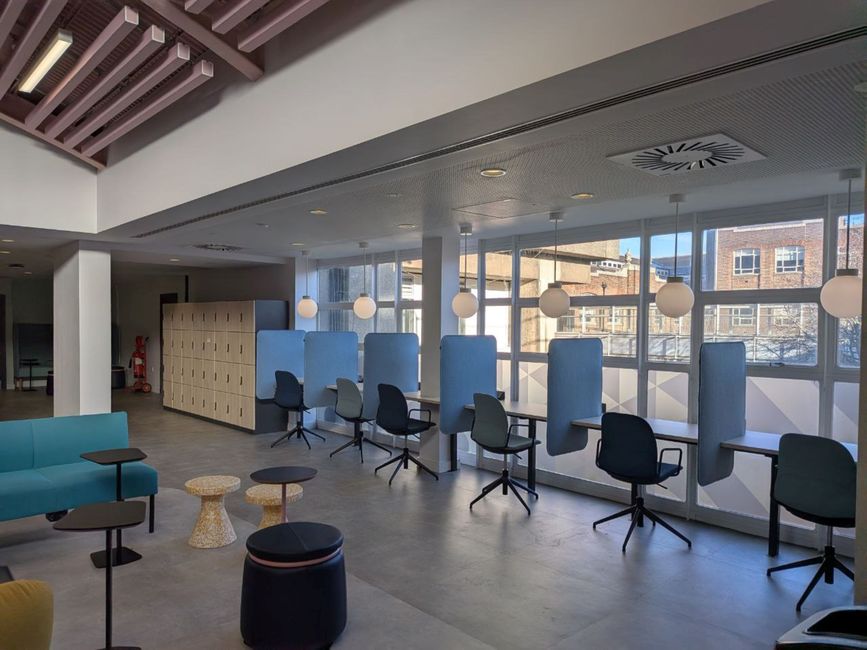
The post-pandemic era has accelerated a profound re-evaluation of the office. With hybrid work models becoming standard, the workplace must now offer something more compelling than a home office. This has led to the rise of "hospitality-led workplace experiences," where offices are designed to be destinations rather than mere obligations. Companies are integrating features traditionally found in hotels or high-end lounges: comfortable, lounge-style breakout areas, in-office cafés, and even concierge desks.
This approach, sometimes termed "resimercial" design, blurs the lines between residential comfort and commercial functionality. The aesthetic of the office has become softer, more casual, and often biophilic, incorporating elements like ergonomic furniture, advanced lighting, and ample refreshments. The goal is to create environments that feel comfortable, social, and energizing, encouraging informal interaction and relationship building. These spaces are designed to nurture company culture and provide amenities that make employees choose the office over working from home, transforming it into a hub for connection and collaboration.

Retail as Immersive Brand Narrative
In the retail sector, the shift is equally dramatic. Modern retail interior design is no longer just about displaying products; it's about crafting immersive brand narratives and emotional touchpoints. Design firms like HUXHUX Design Inc. specialize in creating spaces that engage customers and empower brands, managing every detail from concept to completion. The focus is on creating environments that express identity, build trust, and invite connection, making the physical store a flagship and an experiential environment.
Key design principles guide this transformation: entrances create strong first impressions, materials and finishes balance beauty with durability, and displays are arranged to encourage browsing and purchasing. Lighting is never secondary; it shapes perception and highlights merchandise, while colors and textures support the brand image. The most successful retail spaces feel intentional, immersive, and human, recognizing that experience drives loyalty. Luxury retail, in particular, demonstrates that confidence often shows through simplicity, and quality is felt before it is understood.
Hospitality's Evolving Role
Even within the traditional hospitality sector, the drive for unique experiences continues to evolve. Restaurants, hotels, and bars are pushing creative boundaries, crafting spaces with strong narratives and sensory richness. Whether it’s a restaurant defined by a surprising two-tone palette or a hybrid concept store drawing inspiration from natural formations, the emphasis is on creating memorable sequences of volumes and atmospheres. These spaces are designed to be more than just functional; they are theatrical, engaging, and deeply immersive, reflecting a commitment to storytelling through design.
The Unifying Principles of Experiential Design
Across workplaces, retail, and hospitality, several unifying principles emerge. The core is a human-centric approach, prioritizing comfort, well-being, and emotional engagement. This involves:
- Strategic Layouts: Guiding traffic flow and encouraging interaction.
- Materiality: Selecting materials that convey quality, durability, and align with brand identity, often leaning towards natural, tactile finishes.
- Lighting Design: Sculpting space, setting mood, and highlighting key features.
- Brand Integration: Ensuring every design element reinforces the brand's story and values.
- Flexibility and Adaptability: Creating spaces that can evolve with changing needs and uses.
The convergence of these sectors under the umbrella of hospitality-led design signifies a broader understanding that physical spaces are powerful tools for communication, community building, and brand reinforcement. By focusing on creating compelling experiences, commercial interior design is not just adapting to new demands but actively shaping the future of how we work, shop, and connect.
Further reading
Related articles

The Integrated Gaze: Redefining the Television's Role in Modern Living Spaces
The ubiquitous television presents a persistent design challenge in contemporary living rooms. This article explores how designers are moving beyond the TV as a mere appliance, integrating it seamlessly into spaces through strategic placement, clever concealment, and multi-functional design, ensuring it complements rather than dominates the room's aesthetic and function.
Designing for Every Mind: The Neuroinclusive Office Trades One Room for a Spectrum of Sensory Zones
Roughly one in five workers is neurodivergent, and the uniform open plan quietly taxes them all. Neuroinclusive design answers with a calibrated spectrum of sensory zones — and a business case that benefits everyone.