The Art of Contextual Layering: Atelier Guo's Material Dialogue with History
In an era saturated with fleeting design fads, a profound shift is underway, championing an architecture that doesn't merely occupy a site but engages in a deep, material-driven conversation with its historical and natural context. This emerging philosophy, exemplified by Atelier Guo's compelling work, offers a potent model for crafting environments rich in narrative, authenticity, and enduring value.

The Art of Contextual Layering: Atelier Guo's Material Dialogue with History
In an era saturated with fleeting design fads, a profound shift is underway, championing an architecture that doesn't merely occupy a site but engages in a deep, material-driven conversation with its historical and natural context. This emerging philosophy, exemplified by Atelier Guo's compelling work at the Yangshuo Sugar House and beyond, moves beyond simple preservation to an active, sensitive transformation, creating spaces that are both deeply rooted and distinctly forward-looking. For designers navigating the complexities of contemporary briefs, this approach offers a potent model for crafting environments rich in narrative, authenticity, and enduring value.
Weaving New Narratives into Historic Fabric
Atelier Guo’s projects at the Yangshuo Sugar House serve as a masterclass in this contextual layering. The site itself, once a bustling dock for an old sugar factory, now hosts installations like the Fire Pit Tower. This temporary structure, built on the riverside terrace, is designed to be set ablaze, a symbolic act welcoming the new year. Its ephemeral nature belies a deep respect for the site’s industrial past and its iconic position facing the Li River, transforming a historical footprint into a stage for contemporary ritual. This isn't about erasing the past, but about adding new, meaningful chapters.
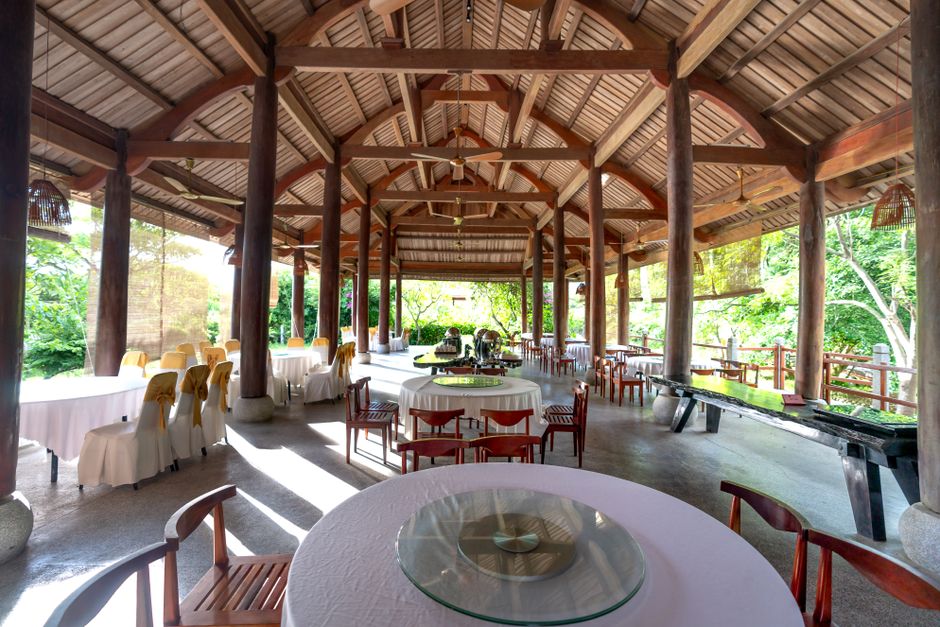
The Stream Restaurant, another integral part of the Sugar House complex, further illustrates this principle. Here, the architectural intervention feels less like an imposition and more like an organic extension of the landscape. The design prioritizes natural light and views, with a material palette dominated by exposed wood. This choice of material is not merely aesthetic; it’s a tactile bridge between the building’s interior and the surrounding environment, fostering a sense of warmth and connection that resonates with the region’s natural beauty. The structural elements themselves become part of the visual narrative, celebrating the craft and honesty of construction.
Material Honesty as a Unifying Language
A hallmark of Atelier Guo’s approach is their unwavering commitment to material honesty. Whether it’s the robust steel and wood of the Fire Pit Tower, the extensive use of timber in the Stream Restaurant, or the ingenious reuse of materials in other projects, each choice speaks to a desire for authenticity. In their transformation of a centuries-old ancestral hall into a cinema and public living room in Nanping Village, the Shanghai-based team demonstrated how preservation can operate as a framework for new collective life. Steel elements were carefully wrapped in wood, ensuring new interventions harmonized with the hall’s existing textures without altering its protected structure. This meticulous attention to material dialogue ensures that new additions feel integrated, not alien.
This philosophy extends to their Moonlit Pavilion, where steel members from an abandoned greenhouse were refashioned into furniture, and carbon-curing boards were used for the upper floor. Such choices reflect a deep interest in sustainability and the 'afterlife' of materials, transforming waste into elements of beauty and function. It’s a powerful statement that design can be both innovative and responsible, drawing inspiration from what already exists rather than always seeking the entirely new.
Beyond Preservation: Activating Heritage for Contemporary Life
What distinguishes Atelier Guo’s work is its ambition to activate heritage, not just preserve it. The ancestral hall project, for instance, is minimal in physical impact yet expansive in cultural ambition, positioning the building as a shared platform for film, reading, and everyday gathering. This transforms a static historical artifact into a dynamic hub for community life, addressing contemporary needs like rural migration and evolving social structures. It’s a powerful argument for adaptive reuse as a tool for social regeneration, where architecture facilitates new forms of collective experience.
This trend reflects a broader societal yearning for authenticity and connection in an increasingly homogenized world. Designers are recognizing that true innovation often lies not in radical departure, but in a sensitive, intelligent engagement with context. By understanding the inherent qualities of a site – its history, its materials, its natural rhythms – architects can create spaces that possess a unique sense of place, resonating deeply with their occupants.
A Blueprint for Meaningful Design
For architects and interior designers, Atelier Guo’s methodology offers a compelling blueprint. It underscores the importance of a forensic understanding of a site, a deep respect for material integrity, and a creative vision that sees potential in existing structures and landscapes. This isn't about replicating the past, but about drawing inspiration from it to forge new identities. It’s about creating layers of meaning, where every beam, every stone, every view contributes to a richer, more profound spatial experience. As we move towards a future demanding greater sustainability and authenticity, the art of contextual layering will undoubtedly become an indispensable tool in the designer's arsenal, shaping environments that are both beautiful and profoundly relevant.
Further reading
Related articles
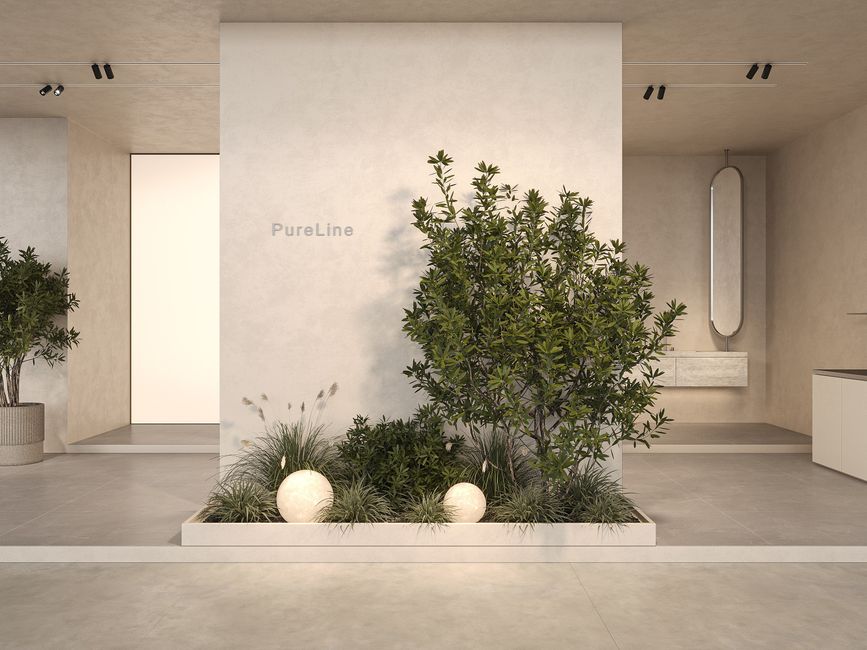
Microcement: The Seamless Canvas for Modern Home Renovations
In the dynamic landscape of home renovations, microcement stands out as a material offering unparalleled design flexibility and a sleek, modern aesthetic. This deep dive explores its properties, diverse applications, and crucial trade-offs, positioning it as a key consideration for designers aiming for cohesive, high-impact transformations.

The Enduring Appeal of Thermal Bluestone in Luxury Outdoor Design
Discover why thermal bluestone is the material of choice for high-end outdoor environments. This deep dive explores its unique properties, diverse applications, and the trade-offs that make it a cornerstone of luxury landscape design.