The Sydney Renovation Equation: Balancing Ambition, Quality, and Cost in Australia's Toughest Market
Renovating in Sydney presents a distinct set of challenges and opportunities. This article explores how designers and homeowners can strategically approach projects, weighing quality against scope to achieve exceptional results within Australia's most competitive renovation landscape.

The Sydney housing market is renowned for its premium, and this extends unequivocally to home renovations. For architects, interior designers, and homeowners embarking on a project in this vibrant metropolis, understanding the unique dynamics of the Sydney renovation landscape is not just beneficial—it's critical. It's a market where ambition meets significant investment, and where the strategic interplay between scope, quality, and budget dictates success.
The Sydney Premium: Unpacking the Cost Drivers
Sydney consistently ranks as one of the most expensive cities globally for construction and renovation. This isn't merely anecdotal; it's a reality driven by high labor costs, premium material pricing, and intense demand. Renovation costs per square meter in Sydney can range from $1,000.00 to $4,000.00, with basic renovations typically falling between $1,000.00 and $2,500.00 per square meter, and mid-range projects pushing towards $2,500.00 to $4,000.00 per square meter. These figures underscore the necessity for meticulous planning and a clear understanding of what influences the final price tag. Factors such as property size, the complexity of the scope of work, and the chosen quality of fixtures and finishes all play a significant role.
The Quantity vs. Quality Conundrum
A fundamental decision for any Sydney renovation project revolves around the trade-off between the scale of the project (quantity) and the caliber of materials and finishes (quality). As Mileham Architects + Builders highlight, if working within a set budget, this "quantity vs. quality opportunity cost" often necessitates compromises. A designer's role here becomes pivotal: guiding clients to make informed choices that align with their vision and financial parameters.
Consider the common budget brackets for a Sydney renovation: $500,000.00: At this level, with mid-range quality selections, a homeowner might achieve a significant internal refresh, potentially encompassing a new kitchen, two bathrooms, and updated flooring and paint throughout a modest home. The focus would be on smart spatial planning and durable, aesthetically pleasing finishes rather than extensive structural changes or additions. $800,000.00: This budget allows for a more comprehensive transformation. It could include a full internal renovation, potentially reconfiguring layouts, adding a small extension, or undertaking significant landscaping. The quality of finishes can be elevated, incorporating more bespoke joinery or higher-end appliances. $1,200,000.00+:* Projects at this scale often involve substantial structural alterations, multi-story additions, or a complete overhaul of a larger property. Here, designers have greater freedom to specify luxury materials, integrate advanced smart home technology, and create truly bespoke architectural features.
Strategic Budget Allocation: Where the Dollars Go
Understanding where renovation dollars are typically spent is crucial. Kitchen and bathroom renovations, often the most impactful and complex, can individually command between $20,000.00 and $40,000.00 for mid-range updates. A minor rebuild might start around $300,000.00, while a total rebuild could easily exceed $800,000.00. These figures emphasize that even seemingly small changes can accumulate quickly, especially when structural work, plumbing, or electrical upgrades are involved.
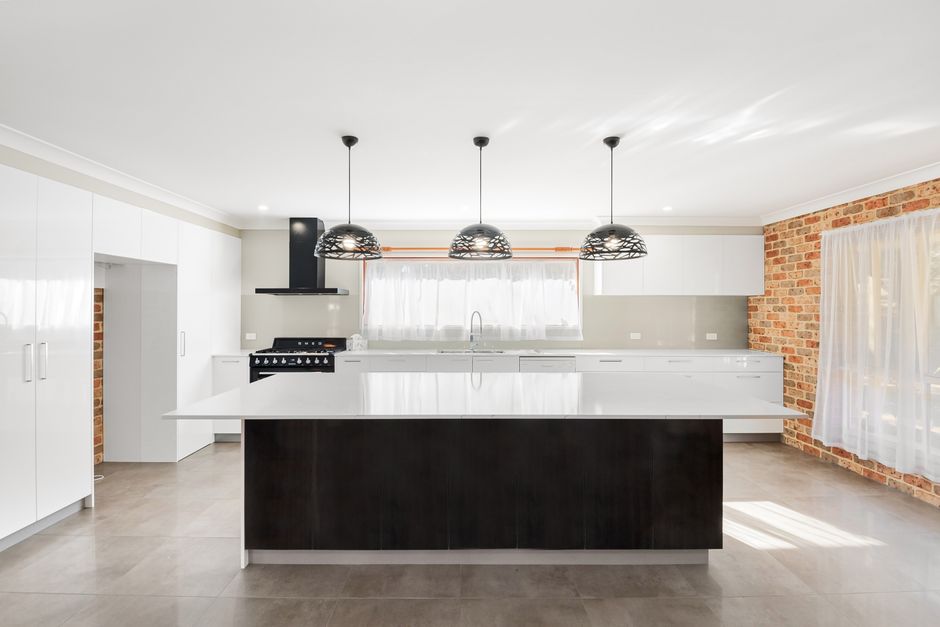
The location within Sydney itself also profoundly impacts costs. Inner-city suburbs or areas with challenging site access can incur higher labor and logistics expenses. Designers must factor in these geographical nuances, advising clients that "tradie rates and material costs can hit the ceiling" in high-demand areas.
Navigating the Market: Designer Strategies for Value
For designers, guiding clients through Sydney's renovation landscape requires a multi-faceted approach:
- Early and Realistic Budgeting: From the outset, establish a clear budget that accounts for the Sydney premium. This involves detailed cost estimations for every phase, including a contingency for unforeseen issues.
- Quantity vs. Quality Consultation: Facilitate open discussions about priorities. Is a larger footprint more important than premium finishes, or vice-versa? Help clients understand the long-term value of investing in quality where it matters most (e.g., structural integrity, key functional areas).
- Strategic Sourcing: Encourage clients to obtain multiple quotes from reputable builders and tradespeople. Explore a mix of local and online suppliers for materials to find the best balance of cost and quality. Sometimes, a slightly longer lead time for a better-value material can yield significant savings without compromising design integrity.
- Phased Renovations: For larger projects with tighter budgets, consider a phased approach. This allows homeowners to spread costs over time, focusing on critical areas first and tackling others as funds become available.
- Value Engineering: Continuously look for opportunities to achieve the desired aesthetic and functionality through alternative, more cost-effective solutions without sacrificing design intent.
In Sydney's competitive renovation market, success is not just about achieving a beautiful outcome; it's about intelligent design that respects the unique economic realities. By embracing a strategic mindset and making informed decisions about quantity, quality, and cost, designers can help homeowners create spaces that are not only stunning but also represent lasting value in one of the world's most dynamic cities.
Related articles

The Integrated Gaze: Redefining the Television's Role in Modern Living Spaces
The ubiquitous television presents a persistent design challenge in contemporary living rooms. This article explores how designers are moving beyond the TV as a mere appliance, integrating it seamlessly into spaces through strategic placement, clever concealment, and multi-functional design, ensuring it complements rather than dominates the room's aesthetic and function.

Sacred Spaces Reimagined: The Art of Domesticating Divine Architecture
Transforming a former church into a home requires a visionary approach, blending the gravitas of history with the demands of modern life. This trend explores how designers are re-narrating sacred spaces, creating homes that are both awe-inspiring and deeply personal.