Beyond the Brick Wall: Crafting Luxury in Urban Brownstone Backyards
Urban brownstone backyards, often constrained by size and privacy needs, are being reimagined as sophisticated outdoor sanctuaries. This case study explores how strategic design principles elevate these compact spaces into luxurious, multi-functional extensions of modern living.
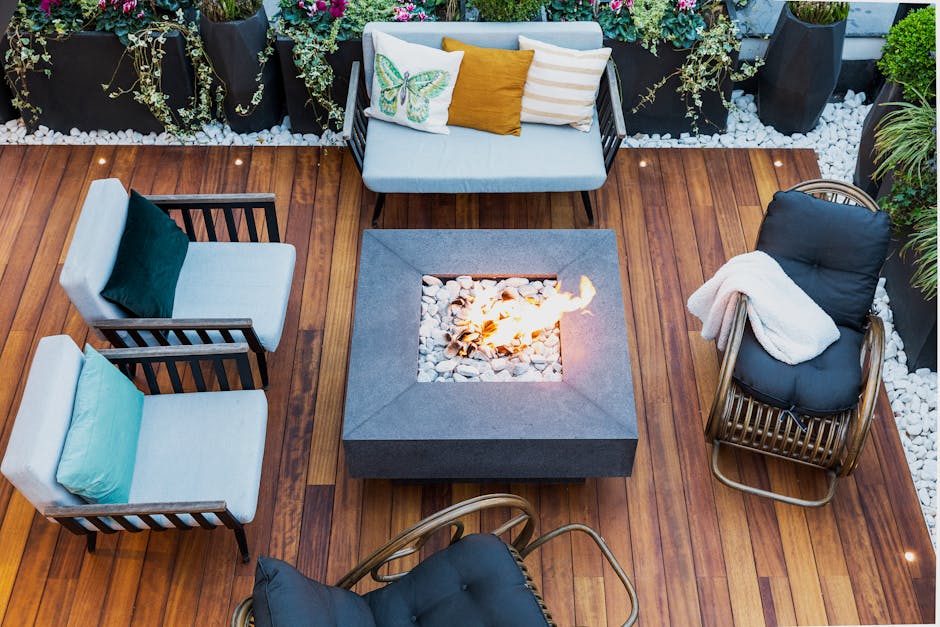
The allure of urban living often comes with a trade-off: limited outdoor space. For residents of historic brownstones, the backyard can feel like a forgotten patch, overshadowed by towering buildings and the constant hum of city life. Yet, a growing trend in landscape architecture is transforming these compact, often overlooked areas into highly functional, luxurious extensions of the home. These aren't just gardens; they are meticulously designed outdoor rooms, offering privacy, comfort, and a seamless connection to nature, even in the heart of the metropolis.
The Urban Challenge, The Design Opportunity
Brownstone backyards present a unique set of design challenges: narrow footprints, existing brick walls, and the ever-present need for privacy from neighbors. However, these constraints also foster innovation. Expert designers approach these spaces with a focus on maximizing every square inch, turning limitations into opportunities for creative solutions. The goal is to create an intimate, bespoke environment that feels expansive and secluded, despite its urban context.
Strategic Layout: Maximizing Every Inch
Effective design in a brownstone backyard begins with a strategic layout that defines zones for various activities while maintaining an open feel. Built-in seating, for instance, is a cornerstone of this approach. Rather than freestanding furniture that can clutter a small space, custom benches or banquettes integrated into walls or planters save precious square footage and provide ample, comfortable seating. This also helps to delineate areas for dining, lounging, or quiet contemplation.
Privacy is paramount. Vertical elements are expertly employed to create a sense of enclosure without feeling claustrophobic. A vertical, skinny slat cedar fence, for example, offers a modern aesthetic while effectively screening out neighboring views. These fences can also serve as backdrops for lush plantings, further enhancing the sense of a private oasis. A bluestone patio often forms the foundation, providing a durable, elegant surface that complements the historic architecture of the brownstone.
Materiality: A Dialogue of Texture and Durability
The selection of materials is crucial for both aesthetics and longevity in an urban environment. Designers often blend natural elements with modern, durable choices. Ipe wood, known for its resilience and rich color, is frequently used for privacy fencing or decking, offering warmth and a sophisticated touch. Bluestone, a classic choice, provides a timeless, sturdy surface for patios and pathways. For a contemporary edge, elements like cor-ten steel can be introduced, adding an industrial yet refined texture that weathers beautifully over time. Durable fiberglass planters are favored for their clean lines and ability to withstand harsh weather, housing lush plantings without compromising on style.
Lushness & Longevity: The Plant Palette
Creating a verdant escape requires a thoughtful plant palette that thrives in urban conditions and demands minimal upkeep. Low-maintenance evergreens and ornamental grasses are popular choices, providing year-round greenery and texture. Privacy trees and shrubs are strategically placed to soften hardscape elements and enhance the sense of seclusion. Flowering perennials can add seasonal bursts of color, ensuring the garden remains dynamic and inviting throughout the year. This curated approach ensures the space remains beautiful and manageable, allowing homeowners to enjoy their outdoor sanctuary without constant upkeep.
Extending the Season: Fire, Light, and Smart Integration
True luxury in an urban backyard means extending its usability beyond fair-weather days. Fire features are central to this. A well-placed fireplace or a sleek, gas-powered fire pit becomes a natural focal point, offering warmth and ambiance that allows the space to be enjoyed during New York’s crisp autumns and chilly spring evenings. Modern designs often blend these fire elements with elegant stone or metal finishes, providing both comfort and a striking visual anchor.

Outdoor lighting is another critical component, transforming the space after dusk. Thoughtfully placed lighting for patios, fences, and plantings brings warmth and functionality, highlighting architectural features and creating an inviting glow. Beyond illumination, smart home integration is increasingly embraced in luxury outdoor living. Automated lighting, heating, and sound systems can be controlled with a tap on a smartphone, allowing for effortless ambiance adjustments. Weatherproof outdoor TVs and surround sound systems can turn a brownstone backyard into an entertainment hub, perfect for intimate gatherings or movie nights under the stars. This seamless integration of technology ensures comfort and convenience, elevating the outdoor experience to match the sophistication of the indoor living spaces.
The Result: A Seamless Indoor-Outdoor Experience
By meticulously addressing the challenges of urban density with strategic design, a thoughtful material palette, and integrated technology, brownstone backyards are transformed from forgotten corners into invaluable extensions of luxury living. These sophisticated outdoor rooms offer a private retreat, a space for entertaining, and a vital connection to nature, proving that even in the most bustling cities, a serene and functional oasis is not just possible, but essential for modern well-being.
Further reading
Related articles

The Integrated Gaze: Redefining the Television's Role in Modern Living Spaces
The ubiquitous television presents a persistent design challenge in contemporary living rooms. This article explores how designers are moving beyond the TV as a mere appliance, integrating it seamlessly into spaces through strategic placement, clever concealment, and multi-functional design, ensuring it complements rather than dominates the room's aesthetic and function.

Sacred Spaces Reimagined: The Art of Domesticating Divine Architecture
Transforming a former church into a home requires a visionary approach, blending the gravitas of history with the demands of modern life. This trend explores how designers are re-narrating sacred spaces, creating homes that are both awe-inspiring and deeply personal.